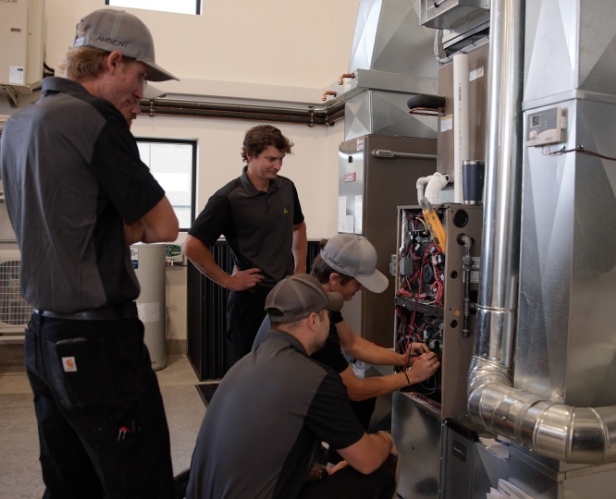
You are viewing the Bozeman, MT location.


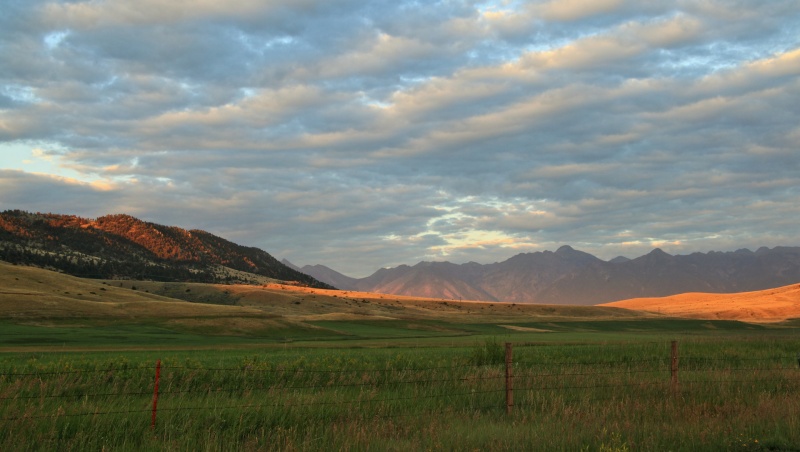
Montana is known as “Big Sky Country” and unfortunately, our air quality here has deteriorated as of late. Wildfires in nearby states have become the norm which has contributed to poor indoor air quality (IAQ) during the summer months. Many homeowners have purchased portable air purifiers to combat the smoke and ash, but just how effective are these devices?
Not only that, but low indoor air quality in a home is due to many other factors other than outdoor pollution. Learn more about how to keep your building comfortable throughout the year by improving air quality inside your home. Let’s look at the reasons why whole house air filtration installation can help you breathe easier in your home–literally.
Common Outdoor Pollutants
Although most people associate outdoor pollution with urban areas, rural areas can also suffer from low air quality. In addition to the wildfires we already mentioned, pollen can be an issue all year long, leading to people frequently suffering from chronic allergy symptoms and hay fever. If you have any allergy sufferers in your home, a whole house air purifier can certainly help ease their symptoms.
In addition to the dirt, dust, and pollen, Montana isn’t immune from airborne chemicals and air pollutants. Examples of common environmental pollutants in rural areas include carbon monoxide, sulfur dioxide, nitrogen dioxide, carbon dioxide, ozone, and methane. If you’re looking to prepare your home systems for seasonal challenges, check out our tips on getting ready for spring. Anyone who’s driven by a hog or dairy farm can attest to that.
Where Do Indoor Pollutants Come From?
But outdoor contaminants are only one part of the equation. The fact is that items you have in your home also generate particulate matter that isn’t ideal to breathe. For example, common household cleaners, furniture polish, and even air fresheners can and do contribute to poor indoor air quality.
Volatile organic compounds (VOCs) are also common in most modern homes. These are found in many products that are used for building, maintaining, remodeling, and upkeeping the buildings of a home. When they’re stored inside garages and under bathroom sinks, they can “off gas” and release contaminants into the air. Some examples include benzene, ethylene glycol, formaldehyde, methylene chloride, tetrachloroethylene, and xylene.
The Limitations of Store-Bought Air Purifiers
Portable, small, store-bought air purifiers have their limitations. Most can only clean one room at a time. They’re not great at filtering smaller micro-particles. And the filters are expensive and need to be replaced frequently.
A whole house air purification system does just what it says it does: it cleans the air in every room in your home. Our NATE- and EPA-certified technicians can help you choose a system that’ll pair with your existing HVAC equipment to ensure they’ll work harmoniously while providing you with the maximum benefits. If you’ve ever wondered whether it’s too late for a tune-up, check out our guide on ductless AC maintenance.
Benefits of Whole House Air Filtration Systems
- Greatly improves your indoor air quality
- Less pet, human, and pest dander in the home
- Decreases allergens, germs, mold spores, dust, and viruses
- Reduces allergy and asthma symptoms and the risk of common colds and the flu
- Less visible dust on furnishings
- Get a better night’s sleep when you’re breathing cleaner air
Frequently Asked Questions
Question: How do air filtration systems help with wildfire smoke indoors?
Answer: Air filtration systems are designed to capture fine particles found in wildfire smoke, including dust, ash, and pollutants. By continuously cycling indoor air through high-efficiency filters, these systems reduce airborne contaminants and help maintain cleaner, healthier air inside the home during smoke events.
Question: What type of air filtration system is best for wildfire smoke?
Answer: High-efficiency systems, such as those using HEPA or high MERV-rated filters, are typically most effective for wildfire smoke. These filters are built to trap very small particles that standard filters might miss. Choosing the right system depends on your home’s HVAC setup and air quality needs.
Question: Can a whole-home air filtration system improve indoor comfort during wildfire season?
Answer: Yes, a whole-home system can improve comfort by reducing smoky odors and airborne particles throughout the house. Cleaner air feels easier to breathe and helps maintain a more consistent indoor environment, especially when outdoor air quality is poor for extended periods.
Question: Is it worth upgrading my HVAC system to handle wildfire smoke better?
Answer: Upgrading your HVAC system or adding enhanced filtration can be a smart investment if wildfire smoke is a recurring issue. Improved systems can better manage indoor air quality, support efficient airflow, and reduce strain on your equipment during periods of heavy smoke.
Question: How can I improve indoor air quality during wildfire season besides filtration?
Answer: In addition to filtration, sealing gaps around windows and doors, limiting outdoor air entry, and running your HVAC fan regularly can help. Routine maintenance and checking ductwork for leaks also support better air quality by ensuring clean air circulates properly throughout the home.
Contact Ambient Air Solutions today for professional air filtration installation in Belgrade, MT and the surrounding areas. Simplifying Heating & Cooling!