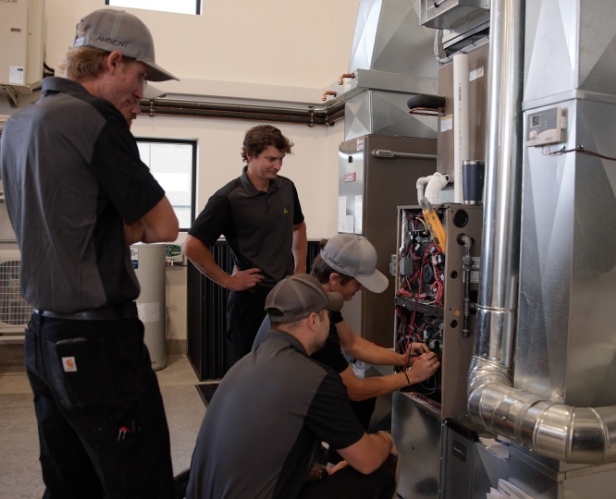
You are viewing the Helena, MT location.

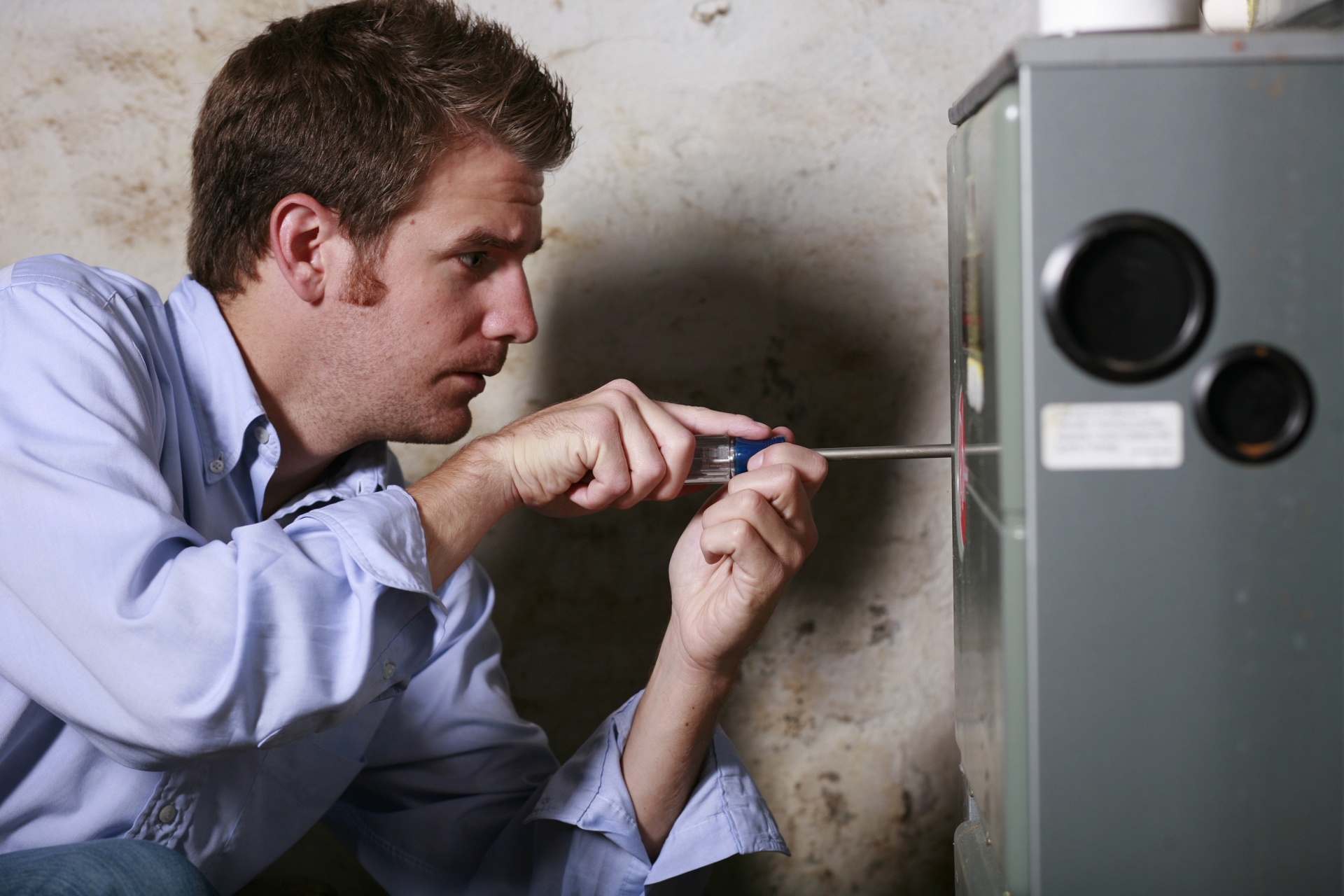
Is your furnace struggling to keep your home warm this winter? It’s easy to take your heating system for granted until something goes wrong. But by identifying the warning signs early, you can avoid costly breakdowns and even determine if it’s time for a replacement. As your HVAC professionals at Ambient Air Solutions, we’re here to help you spot the signs that your furnace may be past its prime. From short cycling to rising energy bills, these clues can alert you to the need for furnace repair in Helena, MT before it gets worse.
What are the signs your furnace needs repair or replacement?
- Uneven heating: some rooms feel too hot or too cold
- Rising energy bills without increased usage
- Frequent repairs or short cycling
- Strange noises like banging, rattling, or squealing
- Poor airflow or weak heat output
- Furnace age over 15 to 20 years
Furnace Age Can Indicate It’s Past Its Prime
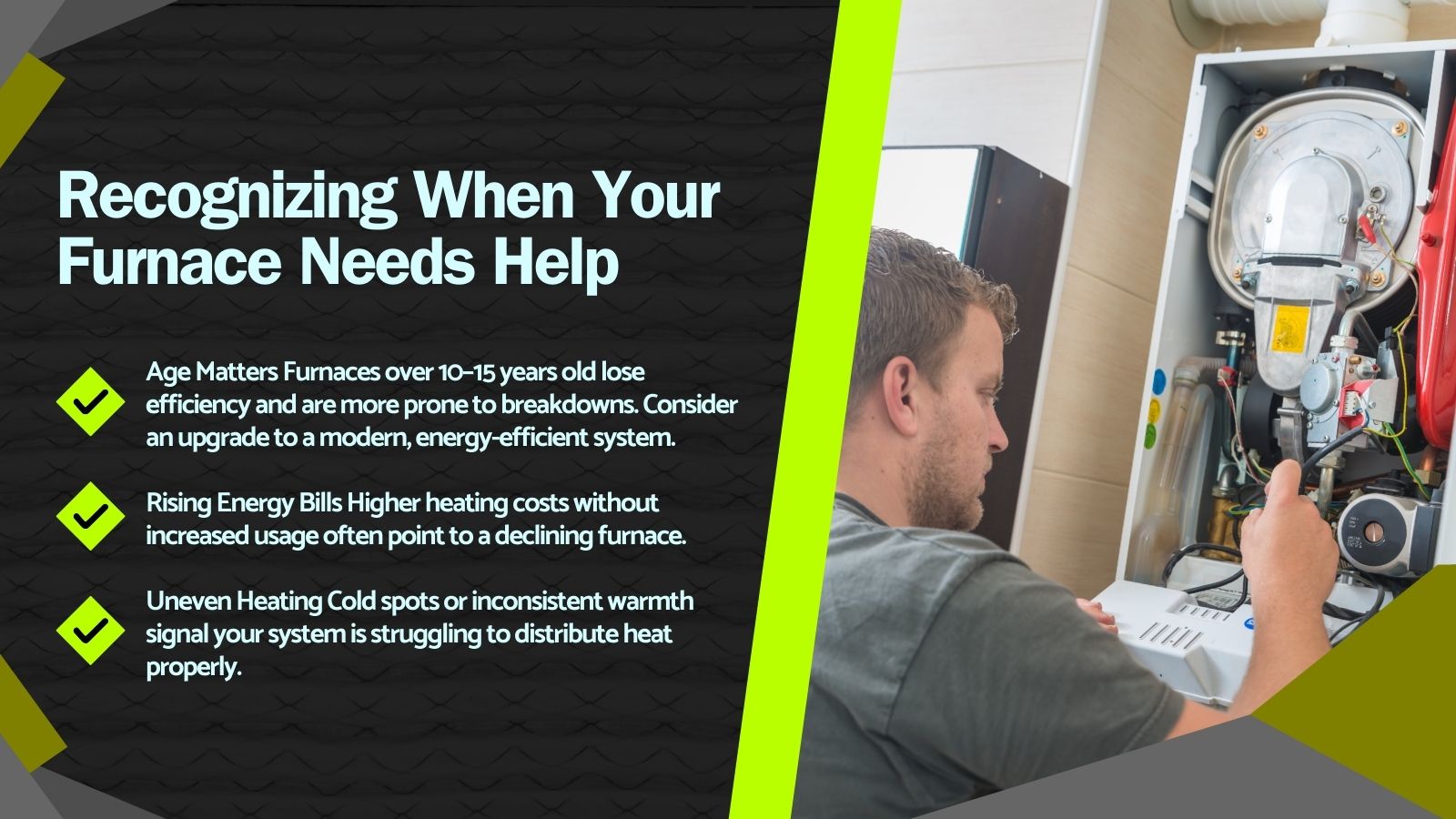
Age is one of the most telling signs that your furnace may be nearing the end of its life. Most furnaces last 10-15 years with regular maintenance. If your unit is approaching or exceeding that age, it’s time to start considering a replacement. Even if your furnace seems to be working fine, furnaces in this age range decline sharply in efficiency. For homeowners with aging systems, these furnace maintenance tips for homeowners can help extend performance just a little longer.
Modern furnaces boast higher AFUE (Annual Fuel Utilization Efficiency) ratings, which translate to lower energy bills and a reduced environmental footprint. Rather than waiting for a breakdown on a freezing-cold Montana night, consider upgrading to a more energy-efficient system when you have the time to plan in advance for your next furnace replacement or upgrade.
Rising Energy Bills May Mean Your Furnace Is Failing
Have you noticed your heating bills creeping up without a change in usage? An older or inefficient furnace may be to blame. As furnaces age, they lose efficiency due to wear and tear on critical components, forcing your system to work harder to maintain a comfortable temperature. Compare your recent energy bills to those from previous winters. If you’re seeing a steady increase, it’s a sign that your furnace’s performance is slipping, and it may be time for a repair or replacement.
Uneven Heating or Cold Spots Signal Furnace Issues
Do you have certain rooms in your home that feel colder than others? Uneven heating is a sign that your furnace may be on its last legs. An aging furnace can struggle to distribute heat evenly throughout your home. An old furnace that’s simply too small for your home’s needs can cause this problem. If some areas of your home feel like an icebox while others are cozy, it’s a sign that your furnace may be struggling with poor heat distribution.
Furnace Short Cycling Is a Sign of System Failure
Does it seem like your furnace never shuts off or is frequently turning on and off in quick succession? Both of these issues indicate your furnace is struggling to regulate your home’s temperature. Short cycling is when the system starts and stops frequently. On the other hand, a furnace that runs continuously may have lost its ability to reach your desired temperature, forcing it to stay on longer than normal. This not only drives up your energy bills but also places unnecessary wear and tear on your system.
Don’t let a failing furnace leave you out in the cold. Addressing these issues early can prevent emergency repairs, reduce your heating costs, and ensure your home stays warm all winter long.
Frequently Asked Questions
Question: How can I tell if my furnace is past its prime?
Answer: A furnace that is past its prime often shows a mix of warning signs, such as uneven heating, short cycling, longer run times, and rising utility bills. When these issues start happening together, it usually means the system is losing efficiency and may need repair or replacement soon.
Question: At what age should a furnace be considered for replacement?
Answer: Most furnaces last about 10 to 15 years with regular maintenance. Once a system reaches or passes that range, efficiency usually starts to drop and breakdown risk rises. Even if it still runs, an older furnace may cost more to operate and struggle to keep up in winter.
Question: Why would my heating bills go up if my furnace is getting old?
Answer: As a furnace ages, wear on key components can make it work harder to produce the same level of heat. That extra effort increases energy use over time. If your usage has stayed about the same but bills keep climbing, the furnace may be losing efficiency.
Question: Is uneven heating a sign that my furnace may be failing?
Answer: Yes, uneven heating is a common sign that a furnace may be nearing the end of its useful life. If some rooms feel warm while others stay cold, the system may be struggling to distribute heat properly. That can point to declining performance or a system that no longer fits the home well.
Question: What does short cycling mean for furnace performance?
Answer: Short cycling happens when a furnace turns on and off too frequently instead of completing normal heating cycles. This can signal trouble with temperature control, efficiency, or overall system performance. It also adds extra wear to the equipment and can lead to higher heating costs over time.
Contact Ambient Air Solutions today for professional furnace repair in Helena, MT. Simplifying Heating & Cooling!