You are viewing the Bozeman, MT location.

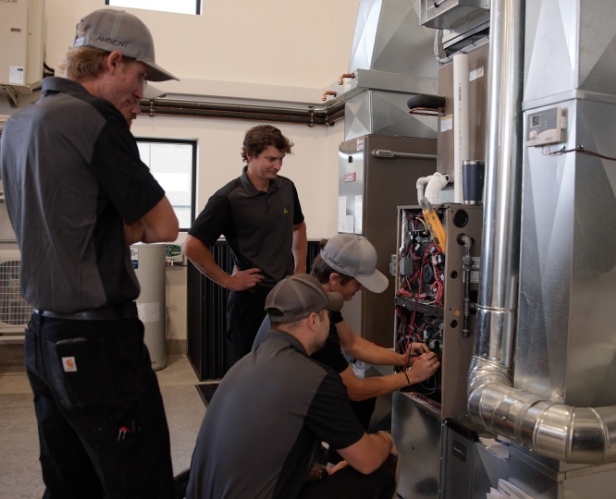
Wildfire season can bring more than unpleasant odors and hazy skies. Smoke contains fine particulate matter, including tiny particles known as PM2.5, that can travel deep into the respiratory system. These particles may irritate the eyes, nose, and throat and aggravate asthma or other breathing conditions. Choosing the right air filter in Bozeman, MT, can help reduce the amount of smoke entering your home’s indoor air, especially when outdoor conditions become unhealthy.
Understanding MERV Ratings
MERV stands for Minimum Efficiency Reporting Value. This rating measures how effectively an HVAC filter captures particles of different sizes under standardized testing conditions. Generally, a higher MERV rating means the filter can capture a greater percentage of smaller particles.
However, MERV ratings do not tell the entire story. Filter thickness, construction, airflow resistance, and the specific particles being measured all affect real-world performance. An air filter that performs well in a laboratory may not be the best choice for every home’s heating and cooling system.
How MERV 8 Filters Work
MERV 8 filters are common in residential HVAC systems and are designed to capture many larger airborne particles. Depending on the filter’s construction and testing results, they can help trap dust, pollen, lint, and some larger mold particles.
Why MERV 13 Is Better for Smoke
MERV 13 filters are designed to capture significantly more fine particles than MERV 8 filters. They can remove at least 50% of particles measuring 0.3 to 1 micron and at least 85% of particles measuring 1 to 3 microns under standardized testing conditions. This makes them a more effective option for reducing fine particulate matter associated with wildfire smoke.
Will MERV 13 Work in Your HVAC System?
A higher MERV rating is not automatically better for every HVAC system. A dense filter can restrict airflow, particularly when it is too thick, undersized, or incompatible with the equipment. Excessive airflow resistance may contribute to reduced heating or cooling performance, increased strain, or inadequate temperature control.
Before replacing your current filter, discuss your system’s requirements with our expert team. We can help evaluate your filter size, filter slot, blower capacity, and equipment specifications to determine whether MERV 13—or another option—is appropriate. If your system cannot accommodate MERV 13, using the highest compatible rating is preferable to forcing an unsuitable filter into place.
Prepare Before Smoke Arrives
During wildfire season, keep replacement filters available and inspect them more frequently. Smoke can load a filter quickly, reducing airflow and filtration performance. Make sure the filter fits snugly, and follow professional guidance about replacement intervals.
If your HVAC system permits, running the fan more often can increase filtration. Keeping windows and doors closed during smoky conditions and using a properly sized portable air cleaner in frequently occupied rooms can provide additional protection.
Find Your Ideal Air Filter
Every home has different filtration needs, and every HVAC system has its own limitations. Talk with our expert team before fire season intensifies to identify an air filter that balances smoke-particle removal, airflow, equipment compatibility, and ongoing maintenance. The right solution can help you maintain cleaner indoor air when outdoor conditions become challenging.
Contact Ambient Air Solutions today for expert help with an air filter in Bozeman, MT.