You are viewing the Helena, MT location.


When your heating or cooling equipment starts acting up, it’s natural to wonder whether another repair will do the trick or if a full replacement makes more sense. For homeowners concerned about their HVAC system in Helena, MT, this decision can feel especially urgent when extreme temperatures put extra strain on furnaces, boilers, heat pumps, and air conditioners. The good news is that with the right information, you can make a confident, cost-effective choice that protects both your comfort and your budget.
HVAC System Age and Expected Lifespan
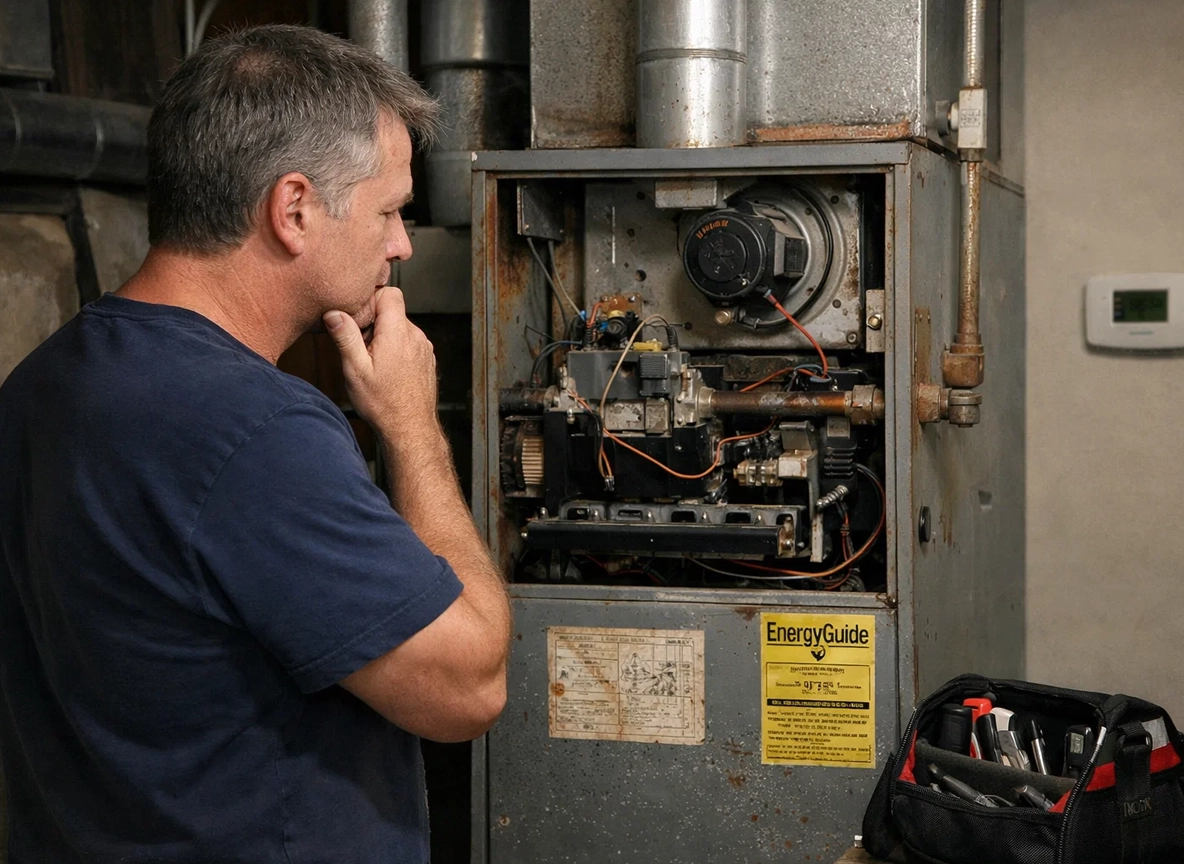
Age is one of the biggest indicators of whether repair or replacement is the smarter move. Most boilers last around 15-20 years, while heat pumps, furnaces, and air conditioners typically average 10–15 years. If your system is still within this range and has been well-maintained, investing in a repair may be reasonable. However, once equipment reaches or exceeds its expected lifespan, frequent breakdowns often signal that replacement should be on the table.
Repair Frequency and Long-Term HVAC Costs
An occasional repair is normal, but repeated service calls are a red flag. A common rule of thumb is the “50% guideline”: if a repair costs close to half the price of a new system, replacement is usually the better long-term investment. Even smaller repairs can add up over time, especially if they’re happening every season. Tracking how often you’re calling for service can help clarify whether you’re fixing a one-off issue or propping up a system that’s on its last legs.
Home Comfort and HVAC System Performance
If your home feels unevenly heated or cooled, takes longer to reach the desired temperature, or struggles during peak weather, your system may be losing its ability to perform efficiently. Older units often work harder to deliver less comfort, leading to hot and cold spots, excessive noise, or short cycling. When comfort issues persist despite repairs, replacement can provide noticeable improvements in consistency and reliability.
Energy Efficiency and Ongoing Operating Costs
Rising energy bills are another important clue. Aging systems tend to lose efficiency over time, consuming more energy to do the same job. Modern HVAC equipment is designed to meet much higher efficiency standards, which can translate into lower monthly utility costs. While replacement is a larger upfront expense, energy savings over the life of a new system can help offset that initial investment.
Long-Term Home Plans and HVAC Replacement Decisions
Your future plans matter too. If you’re planning to stay in your home for many years, investing in a new, efficient system can deliver long-term comfort, savings, and peace of mind. Even if you’re considering selling, a newer HVAC system can be an attractive feature for potential buyers and may increase your home’s value.
Professional Guidance for HVAC Repair or Replacement
Every home and system is different, which is why a professional evaluation is so valuable. Reach out to us to explore your options and learn more about our special offers. These may include a recent repair buyback, major discounts on upgrades for members of our Residential Savings Program, and other opportunities to make replacement more affordable. Whether repair or replacement is right for you, we’re here to help you make the informed decision that best fits your home and lifestyle.
Frequently Asked Questions
Question: How old should an HVAC system be before I consider replacing it?
Answer: Age is an important factor when deciding between repair and replacement. Furnaces, heat pumps, and air conditioners commonly average about 10 to 15 years, while boilers may last around 15 to 20 years. If an older system also needs frequent repairs, replacement may become more practical.
Question: When is an HVAC repair too expensive to be worthwhile?
Answer: One common guideline is to compare the repair cost with the price of a replacement system. If a repair approaches about 50 percent of replacement cost, it may be worth considering new equipment. The system’s age, condition, repair history, and expected remaining lifespan should also influence the decision.
Question: Do frequent HVAC repairs mean I should replace my system?
Answer: Repeated service calls can indicate that an HVAC system is becoming less reliable, especially when the equipment is approaching its expected lifespan. Occasional repairs are normal, but recurring problems every season can add up. Reviewing previous repair costs can help determine whether continued repairs still make financial sense.
Question: Can rising energy bills indicate that my HVAC system needs replacement?
Answer: Increasing energy costs can be one sign that aging HVAC equipment is losing efficiency. Older systems may need to operate longer or work harder to maintain comfortable temperatures. Newer equipment is designed to meet higher efficiency standards, so replacement may reduce energy consumption depending on your home and existing system.
Question: What other factors should I consider before replacing my HVAC system?
Answer: Consider comfort, performance, future repair needs, and how long you plan to stay in your home. Uneven temperatures, excessive noise, short cycling, or difficulty maintaining the desired temperature may indicate declining performance. A professional evaluation can help compare repair and replacement options for your specific equipment.
Contact Ambient Air Solutions today for expert help with all your HVAC and plumbing needs, including help with your HVAC system in Helena, MT. Simplifying Heating & Cooling!